Yo Shimada Lab, Environmental Design, KCUA
loading ...
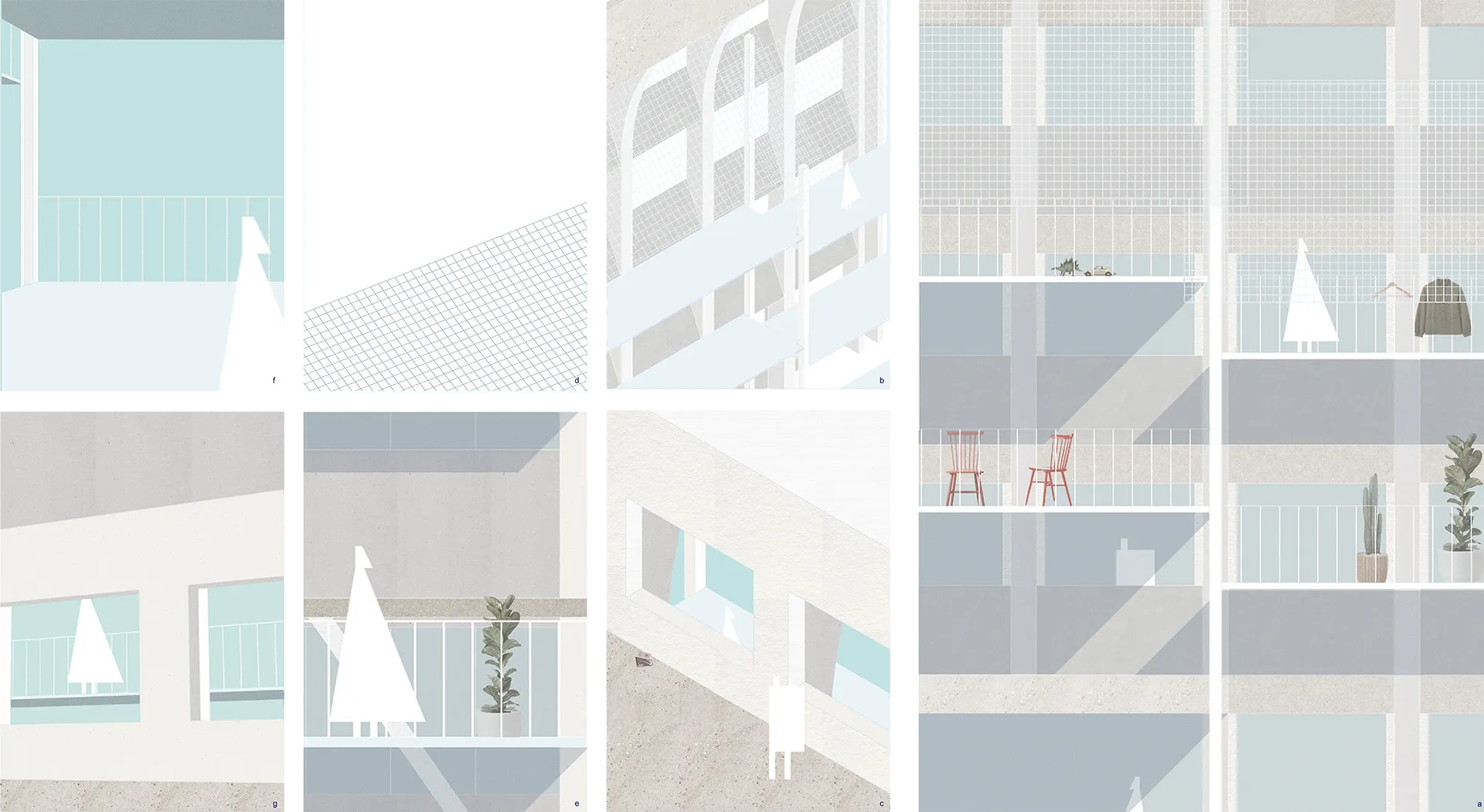
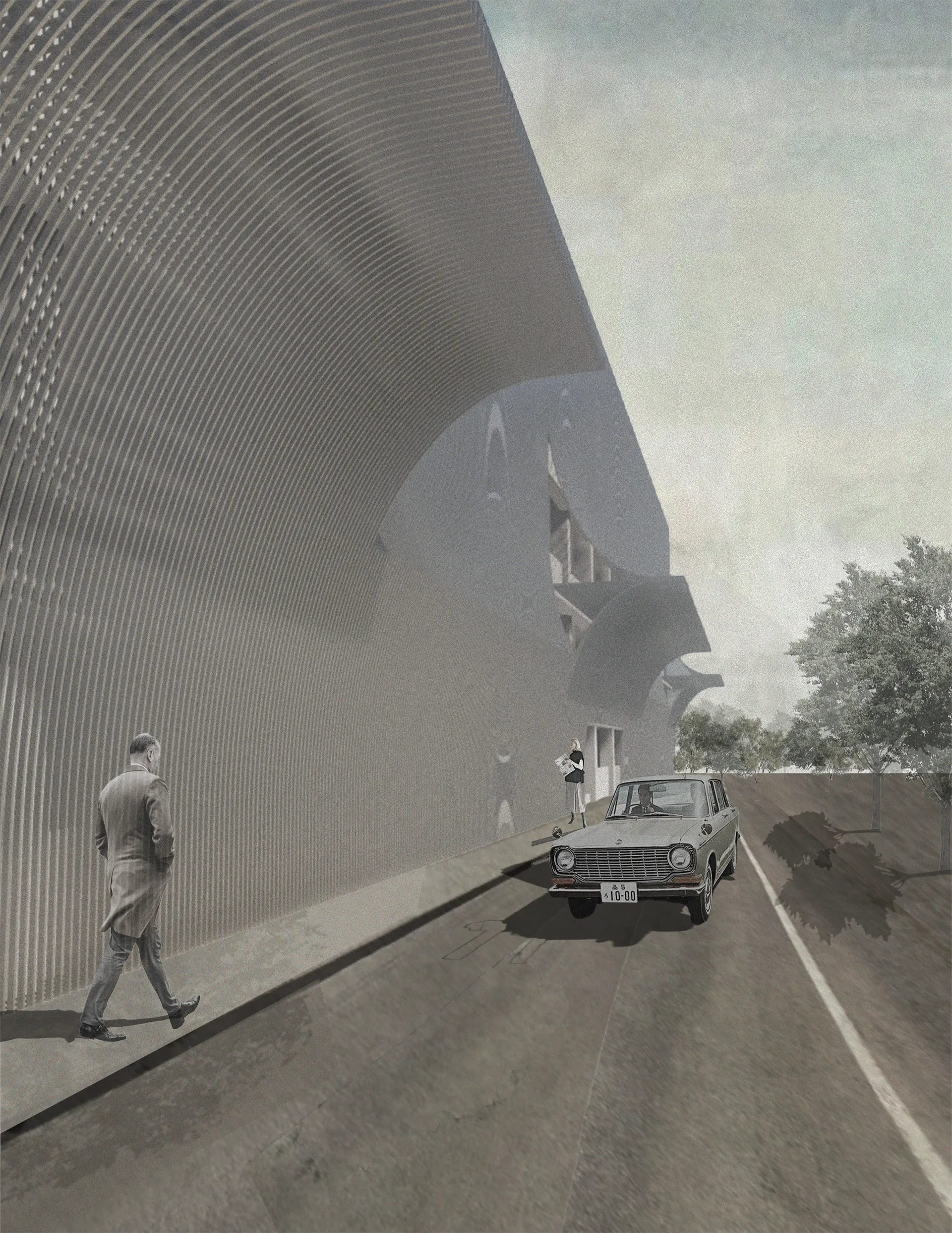
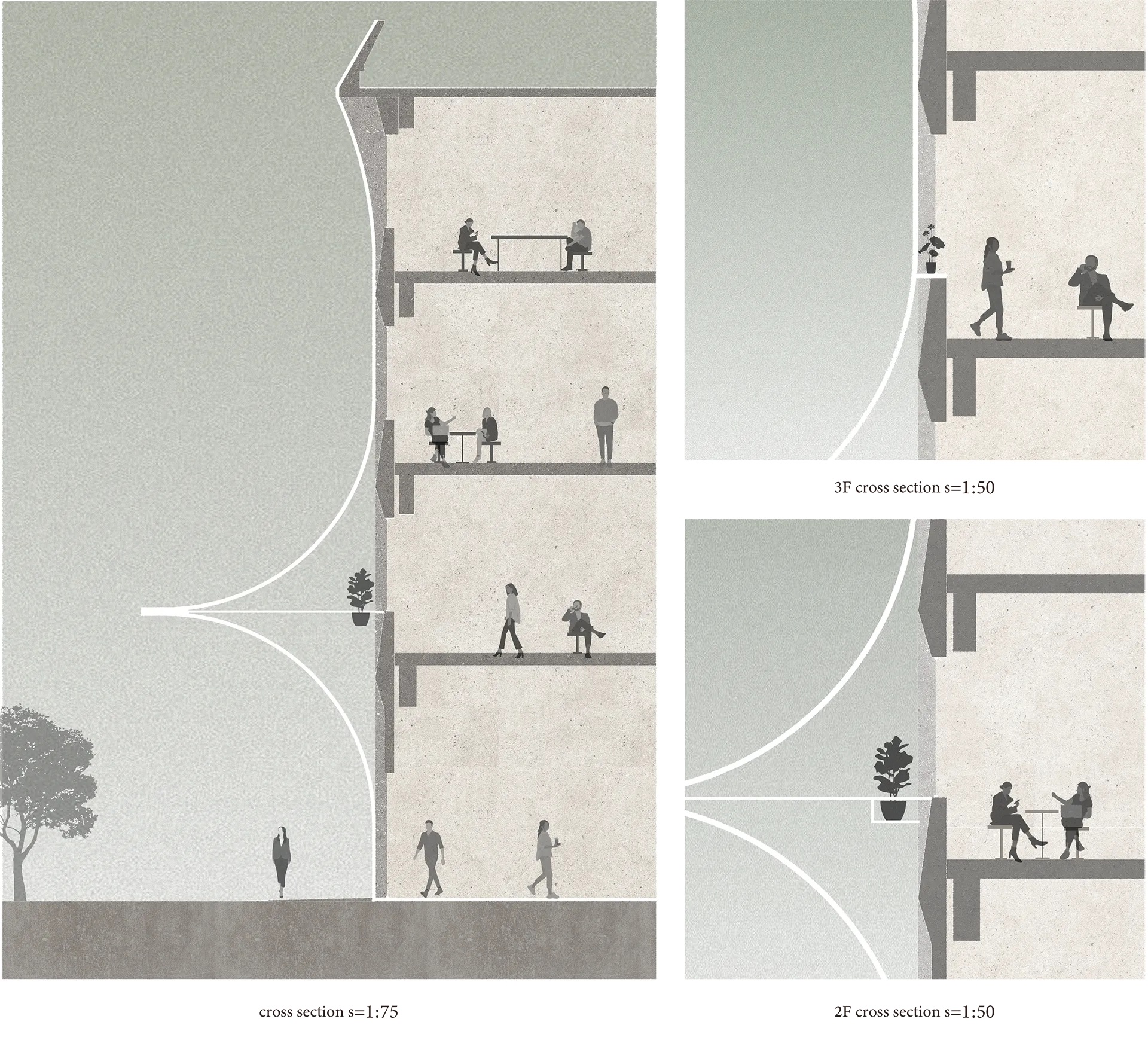
三菱自動車工業株式会社からの依頼を受け、総合デザイン専攻の学生が京都製作所(京都市右京区)の新技術本館と本館の外装デザインを制作した産学連携プロジェクトである。
京都製作所は1944年の開所以来、エンジンをつくり続けてきた三菱自動車のパワートレイン生産拠点であり、嵐山を背にした京都の市街地に広大な敷地を持つ。そのファサードリニューアルにあたり、「Advance(先進/先端)」「Traditional(京都の街並みとの調和)」「Free(自由/制約なし)」という3つのテーマが設定された。
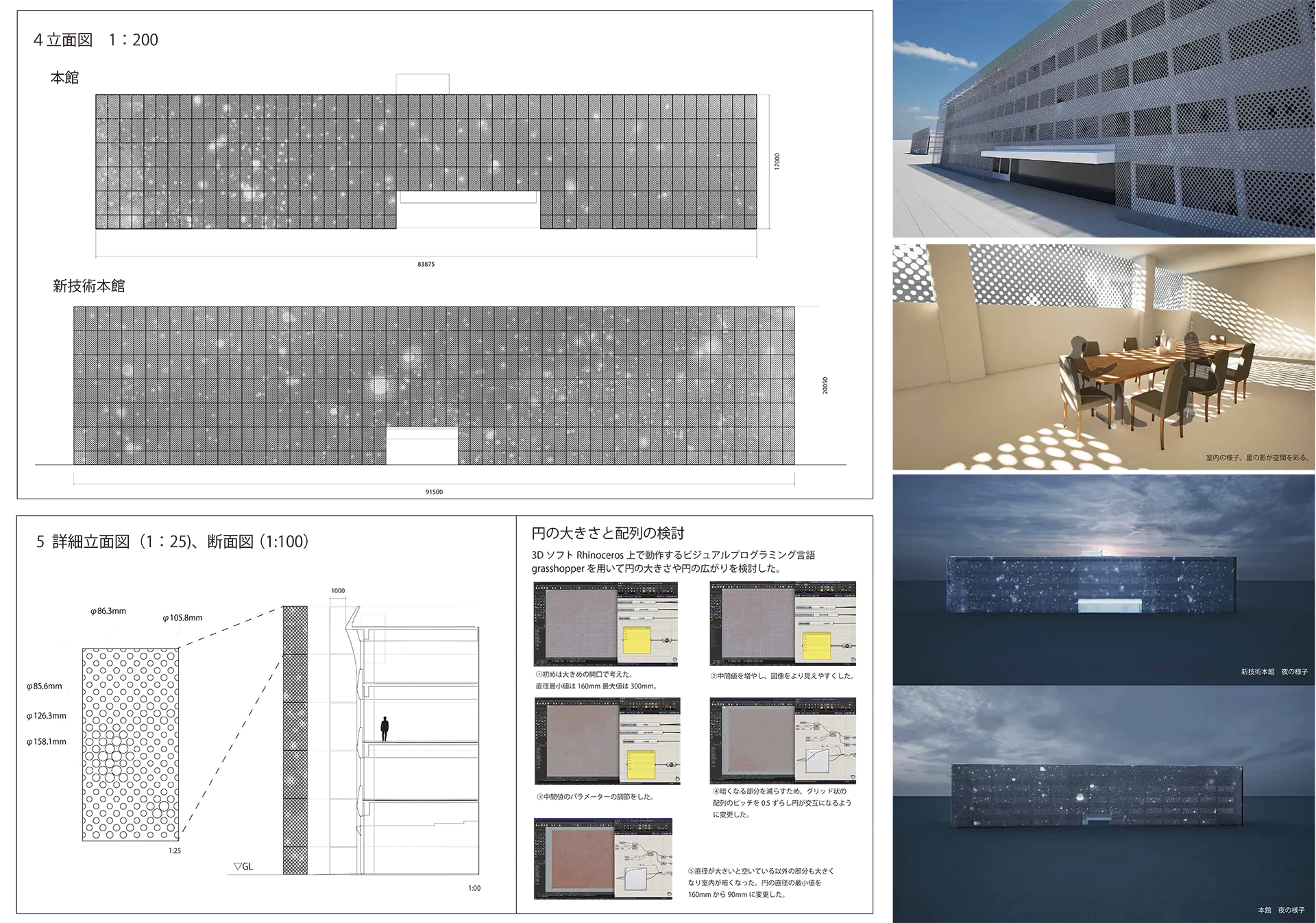
学生たちは製作所の現地視察を行い、稼働する工場の風景や周辺の街並みを実際に見ることから設計を始めた。提案には、寺社建築の神聖さを想起させるシンメトリーの構成、星座をモチーフにしたパターン、光の取り入れ方を工夫した案など、それぞれの視点が反映されている。制作した案は学内でのプレゼンテーションと展示を経て、三菱自動車への成果報告を行った。これらの案は、実際のファサードデザインの参考として活用される。
工場という、都市の中にありながら普段は意識されにくい大きな建築の「顔」を考えることは、学生にとってスケールと公共性の両面で得がたい経験となった。
Commissioned by Mitsubishi Motors Corporation, students of the Integrated Design Department designed facades for the New Technology Building and the Main Building of the company’s Kyoto Plant (Ukyo-ku, Kyoto) in this industry-academia collaboration.
The Kyoto Plant has produced engines since it opened in 1944, serving as Mitsubishi Motors’ powertrain production base, and occupies a vast site in the city of Kyoto against the backdrop of Arashiyama. For the renewal of its facades, three themes were set: “Advance,” “Traditional” (harmony with the Kyoto townscape), and “Free” (no constraints).
The students began by visiting the plant, observing the working factory and its surrounding streetscape firsthand. Their proposals reflect each student’s perspective: a symmetrical composition evoking the sanctity of temple and shrine architecture, a pattern inspired by constellations, and a design exploring how light is drawn in. After presentations and an exhibition at the university, the results were reported to Mitsubishi Motors. The proposals will inform the actual facade design.
Considering the “face” of a factory—a vast piece of architecture that sits within the city yet rarely enters our awareness—proved a rare experience for the students, in terms of both scale and public presence.
x Close