Yo Shimada Lab, Environmental Design, KCUA
loading ...
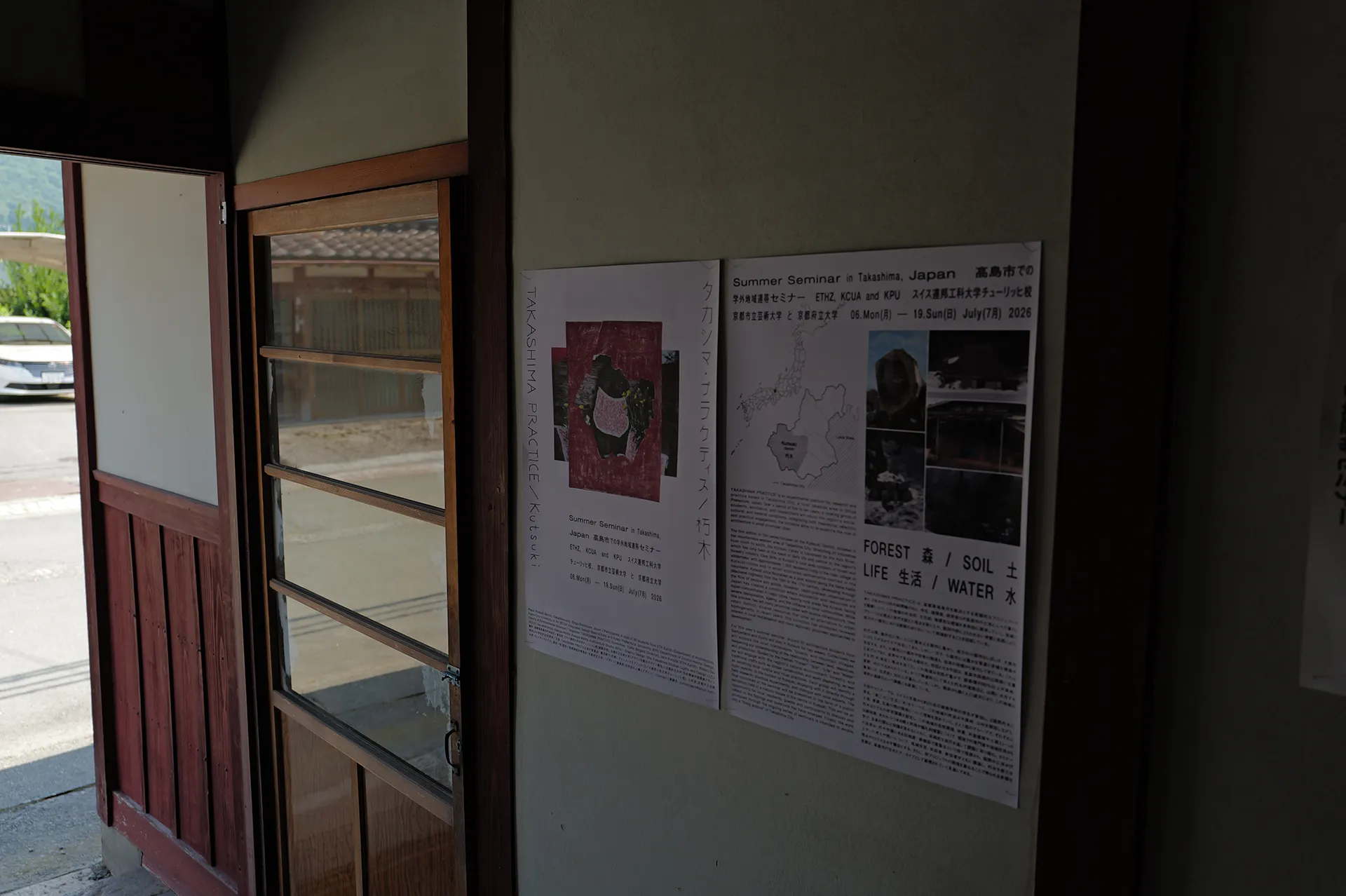
TAKASHIMA PRACTICEは、滋賀県高島市を拠点とする実験的なプロジェクトであり、5年から10年の時間軸のもと、学生、建築家、研究者らが高島市の土地と人々の暮らしを観察しつつ、この地域の社会的、文化的、物質的な価値を多角的に探求していく。地域にグローバルな視点と世代を超えた視点を取り入れ、既存の枠にとらわれない考察と実践により、地方の小都市における建築のあり方について再検討することを目指している。
近代以降、都市化に伴い人口と資本は大都市に集中し、地方の小都市はしばしば、大都市にぶら下がるかたちで存在してきた。しかし一方で、小都市には豊かな資源と多様な価値が存在する。また、大都市と小都市や田舎の関係も、従来の形態から変化してきている。これは日本だけでなく、世界中で見られる傾向だ。初回となる今回は、高島市西部の山間部に位置する朽木地区に焦点を当てた。この地域は自然が豊かで、総面積の90%以上が森林、原野、河川で占められている。かつて陣屋町として栄えた朽木市場周辺と、山間に点在する集落には、住民約1,500人が暮らしている。しかし、戦前から続く人口減少により、この地域は深刻な過疎化という課題にも直面している。
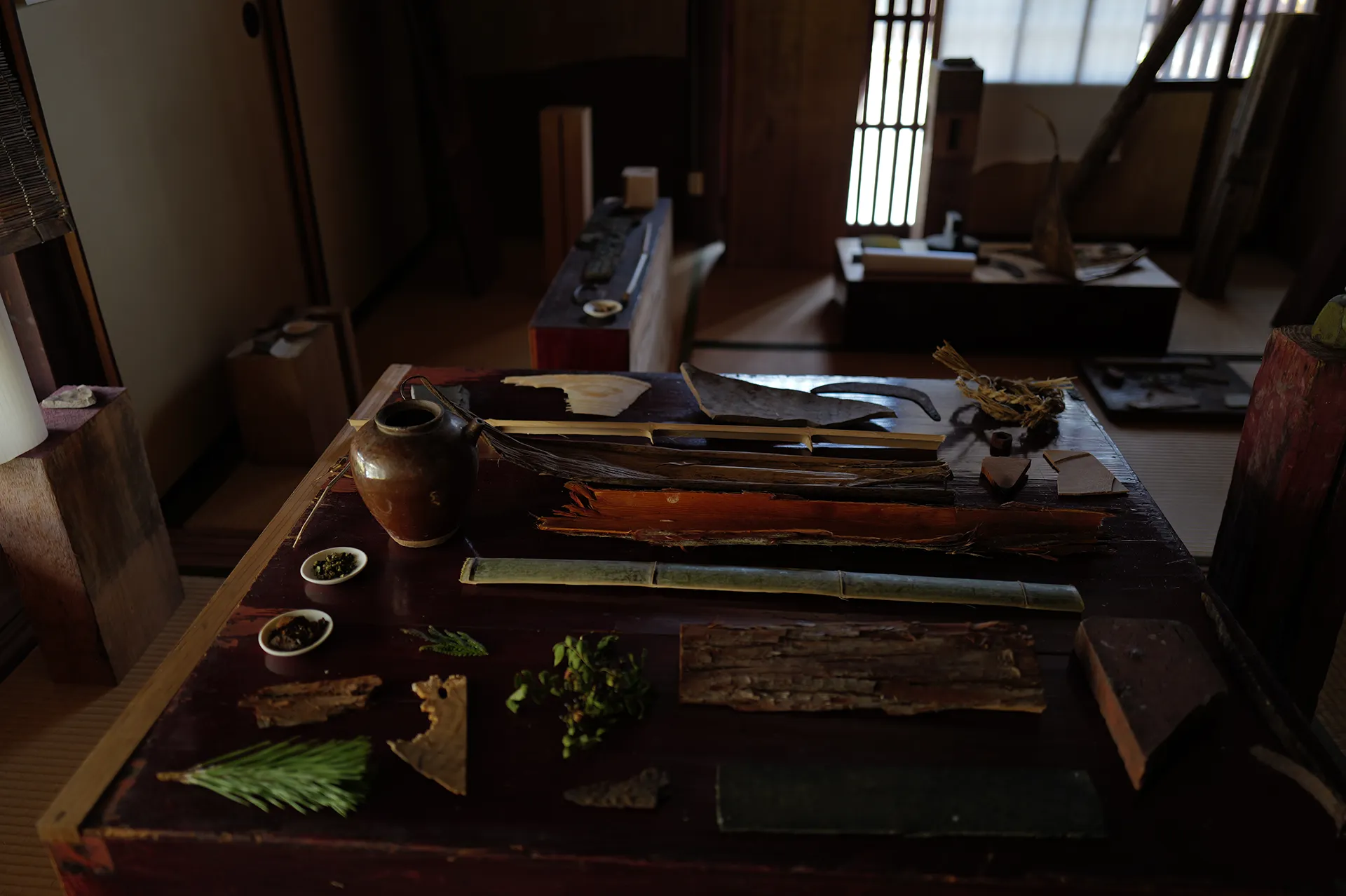
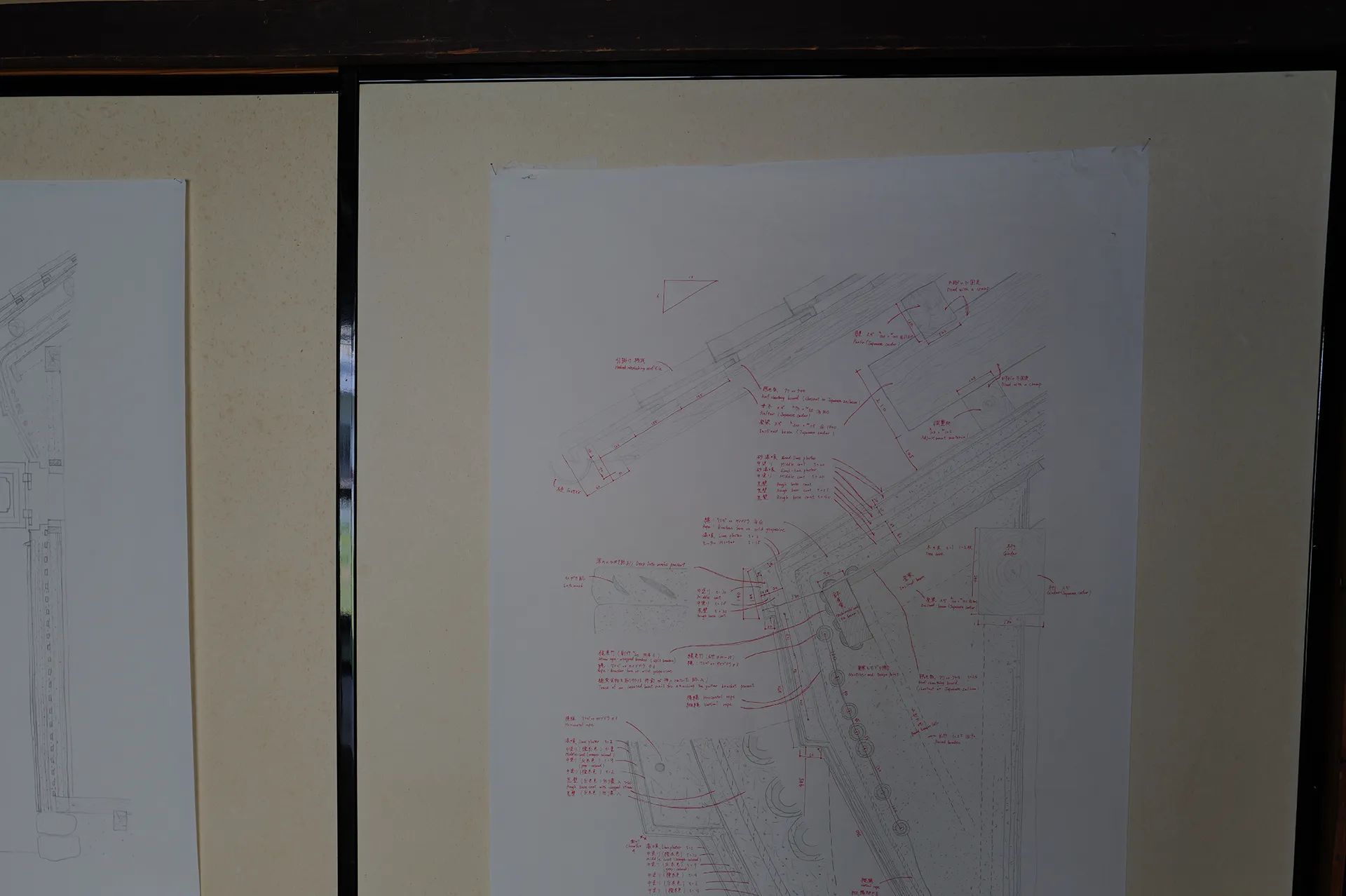
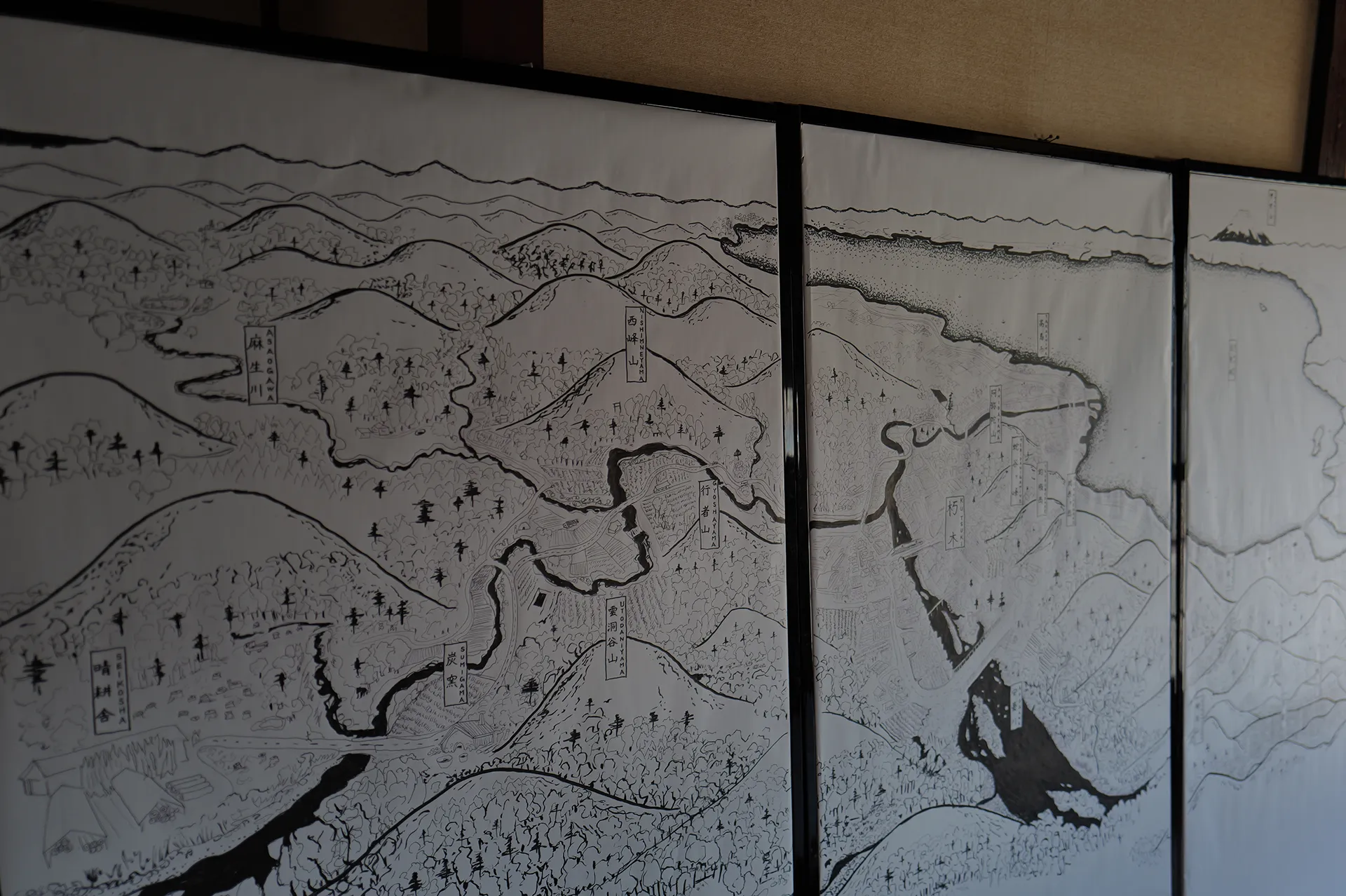
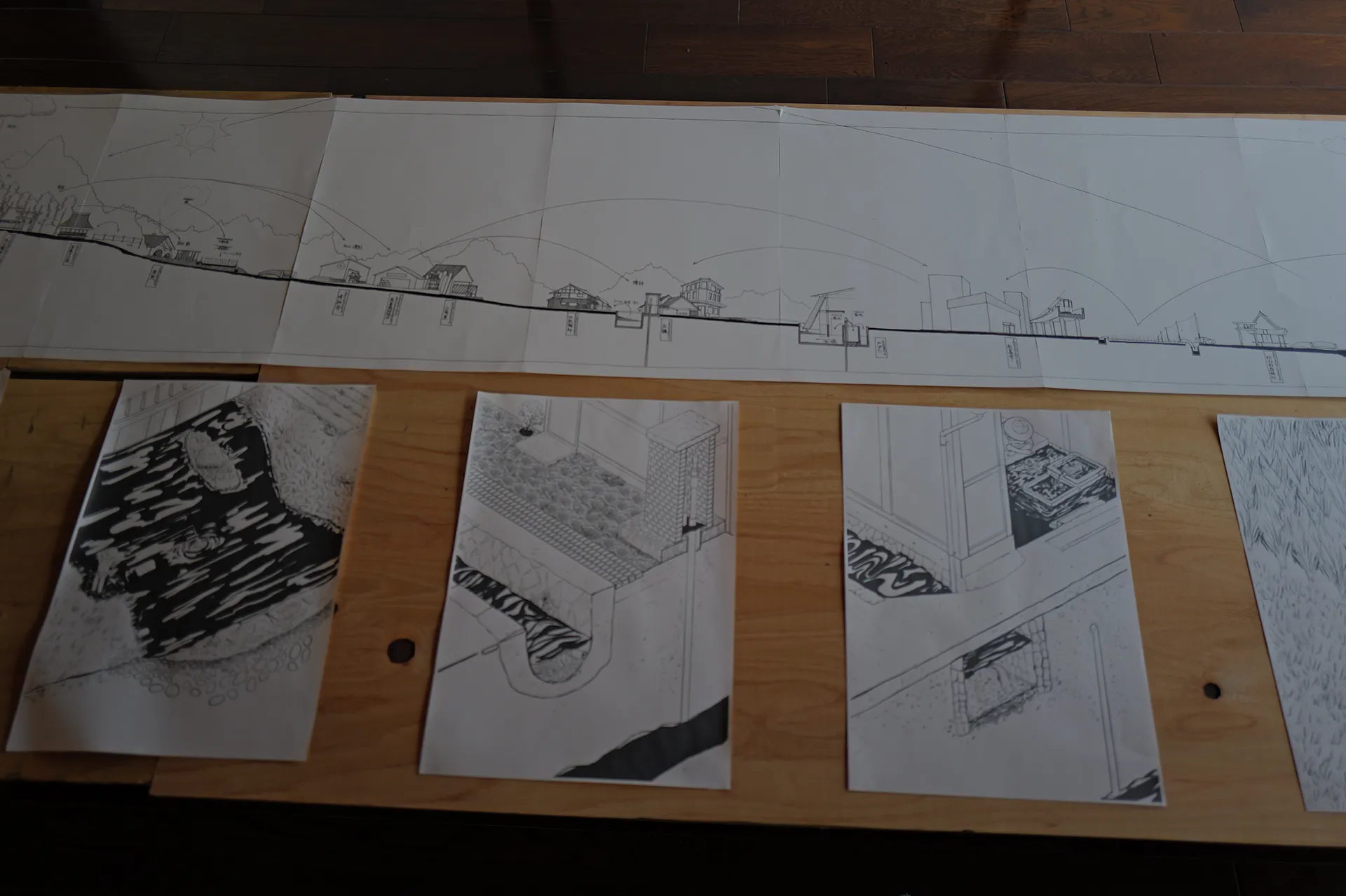
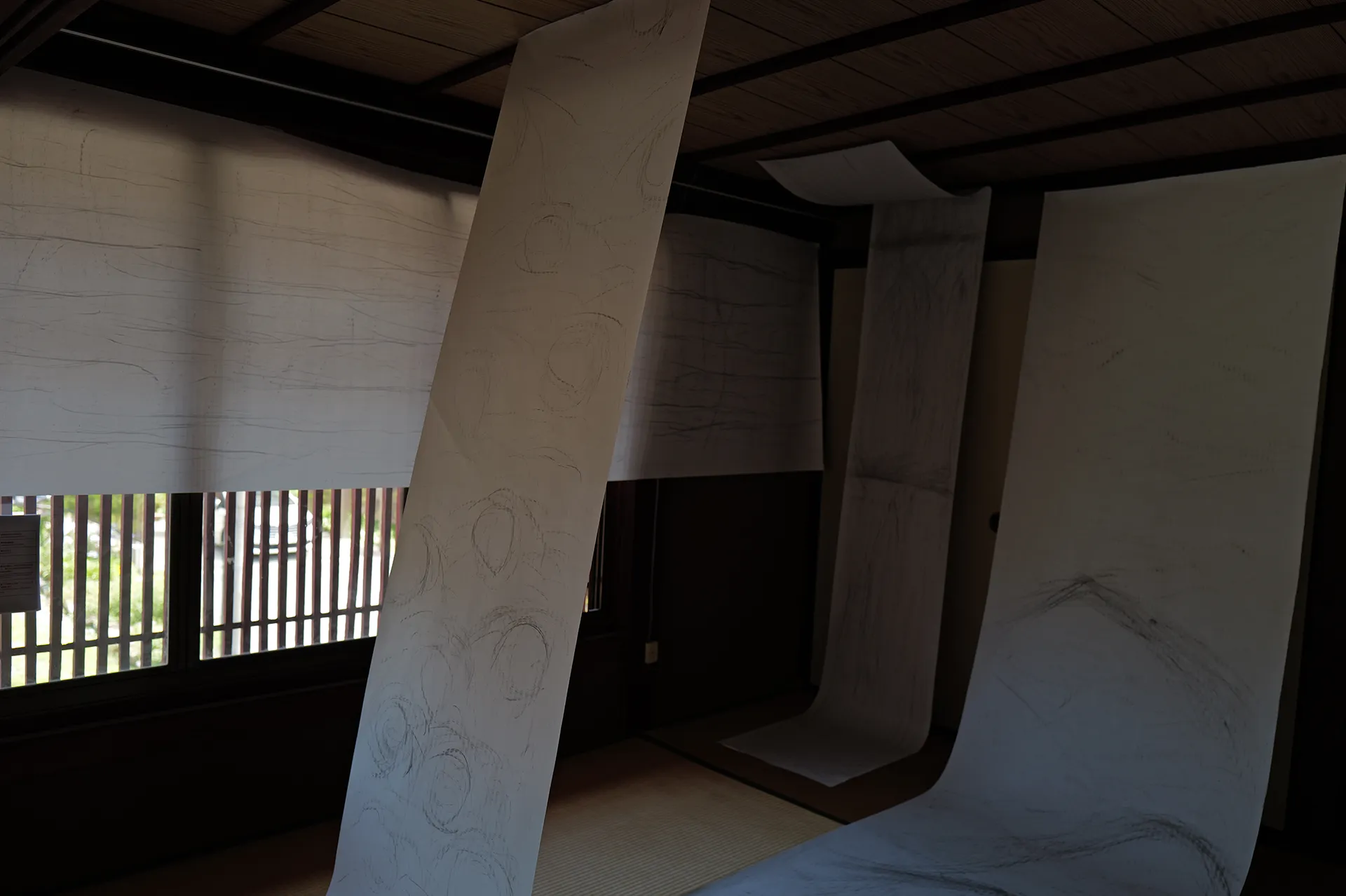
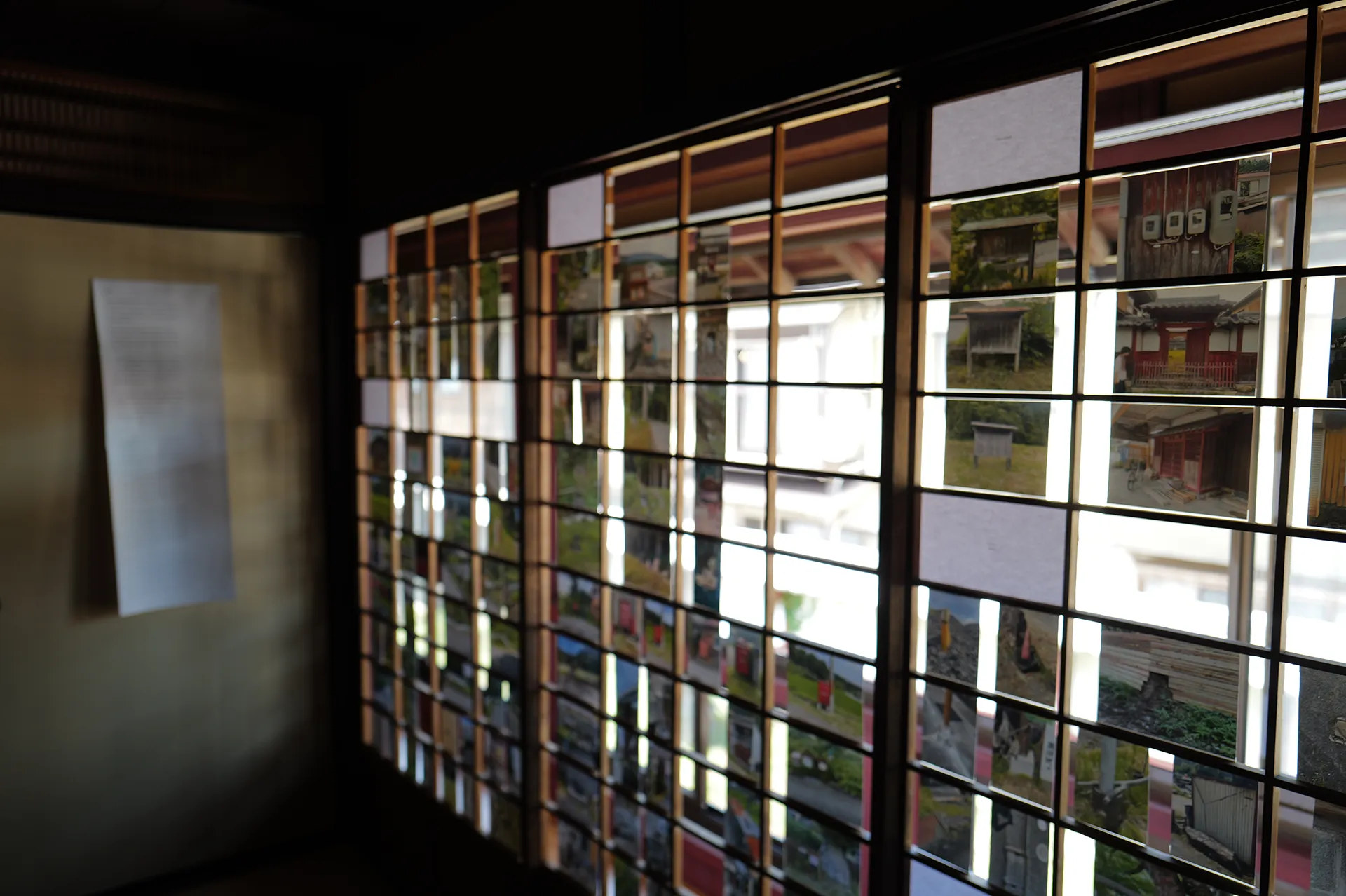
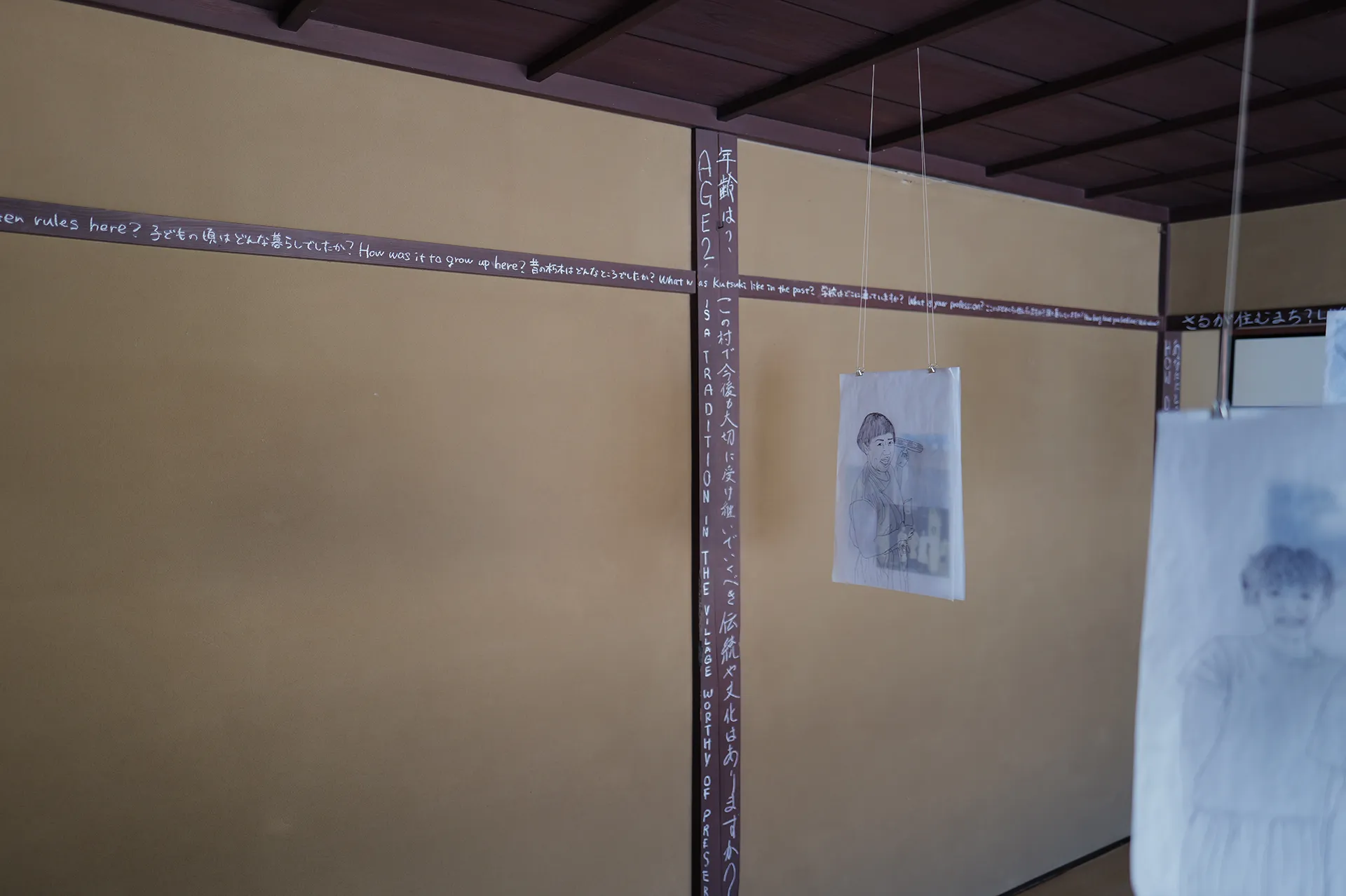
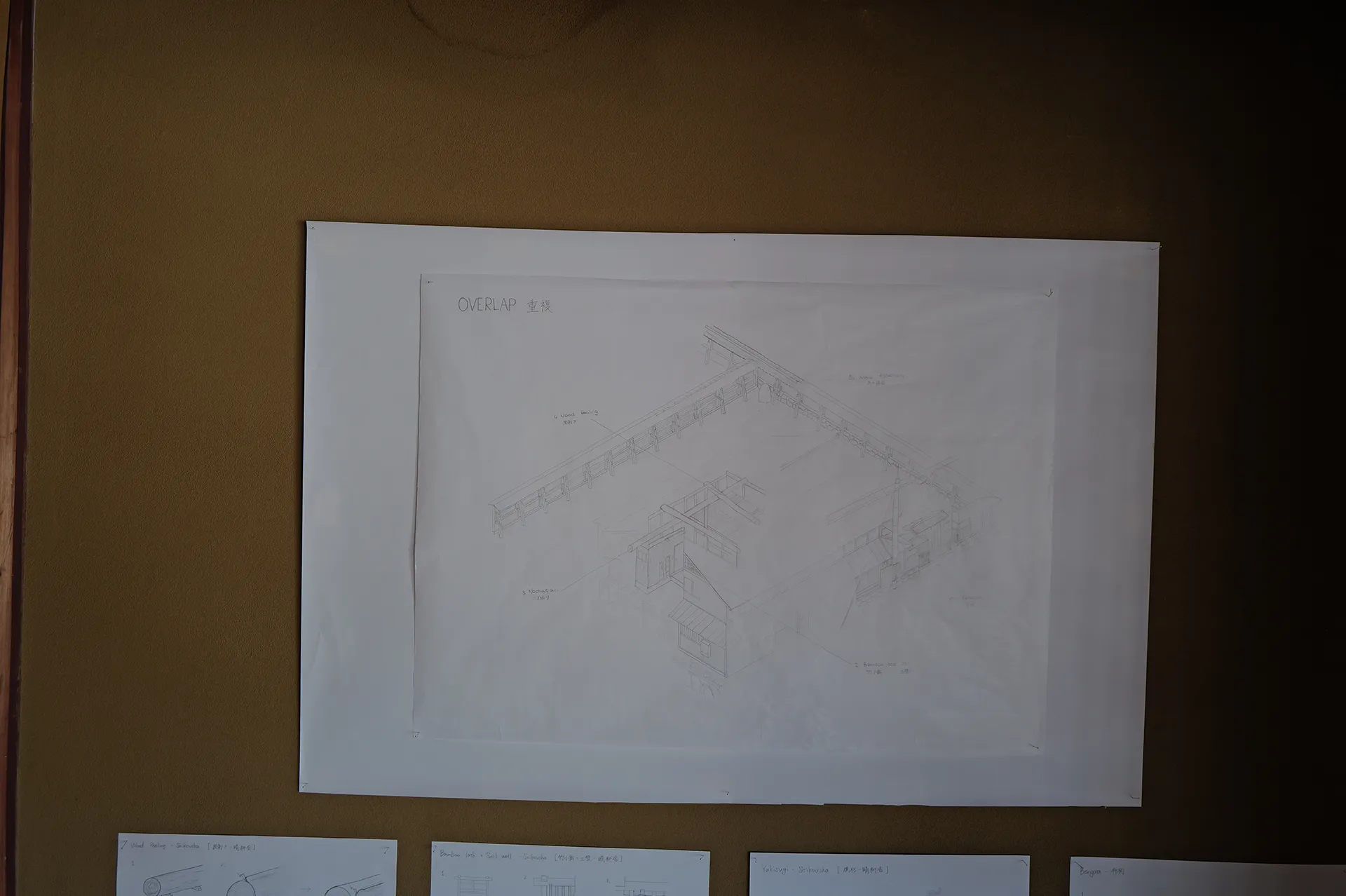
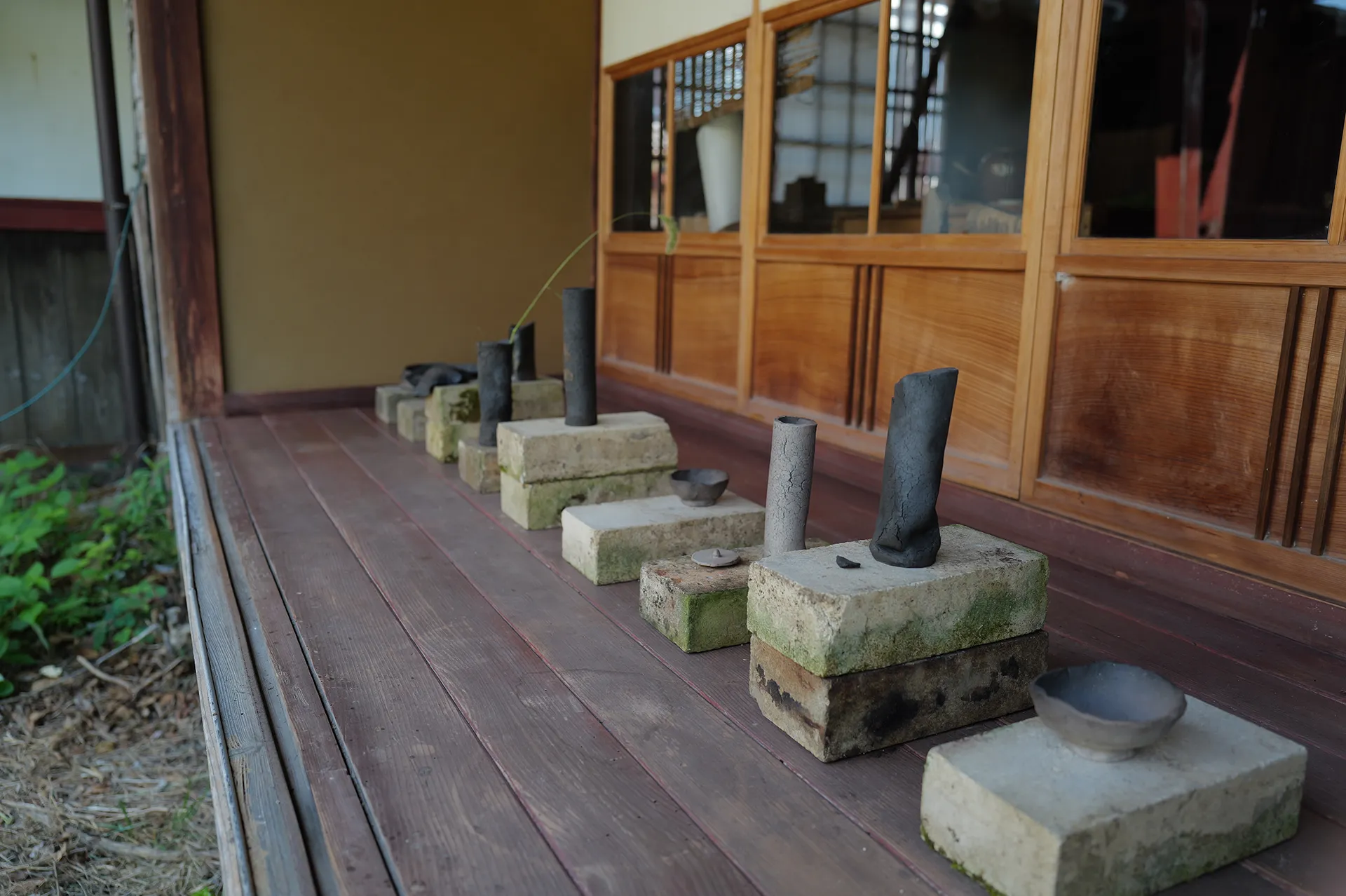
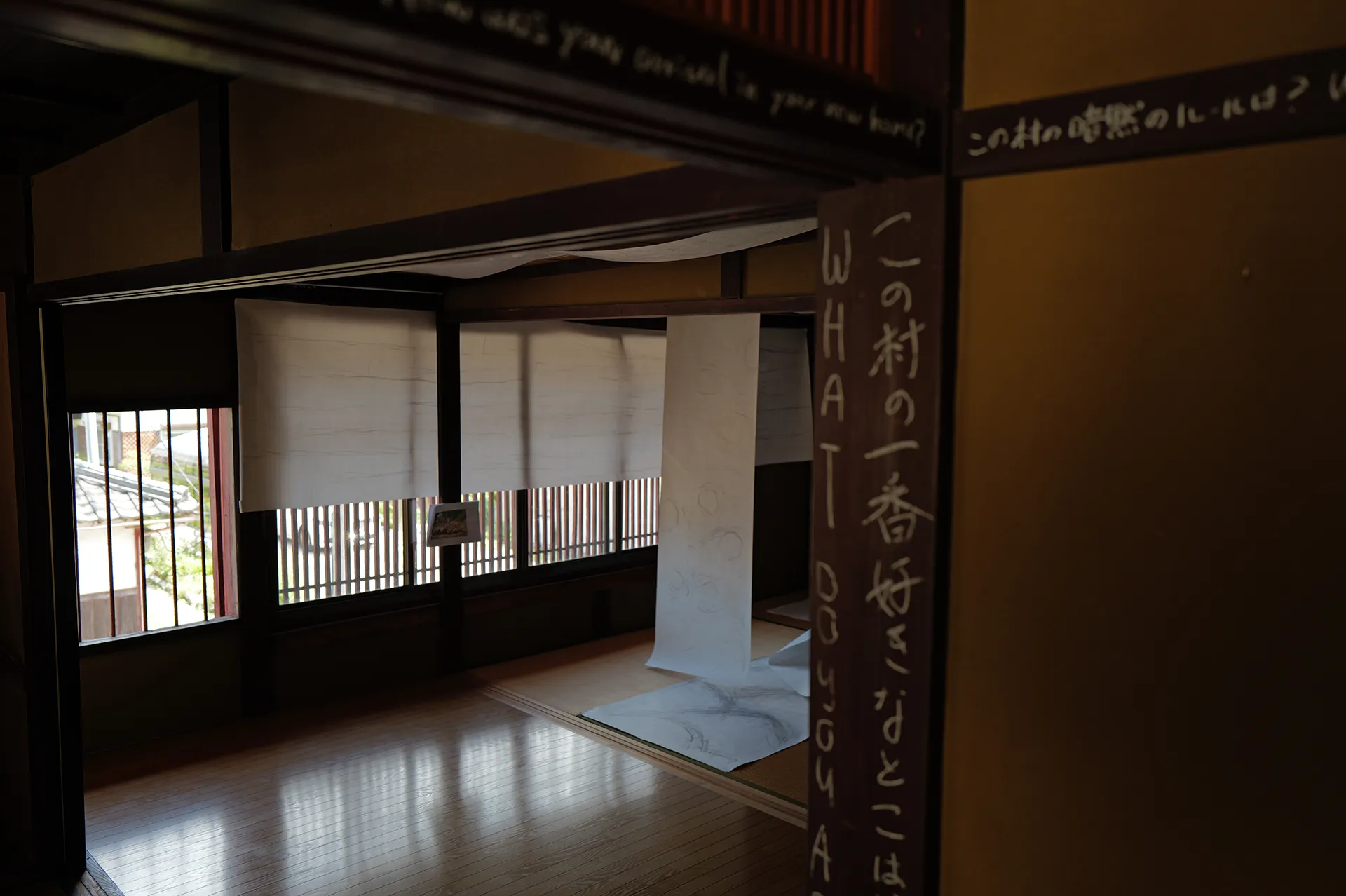
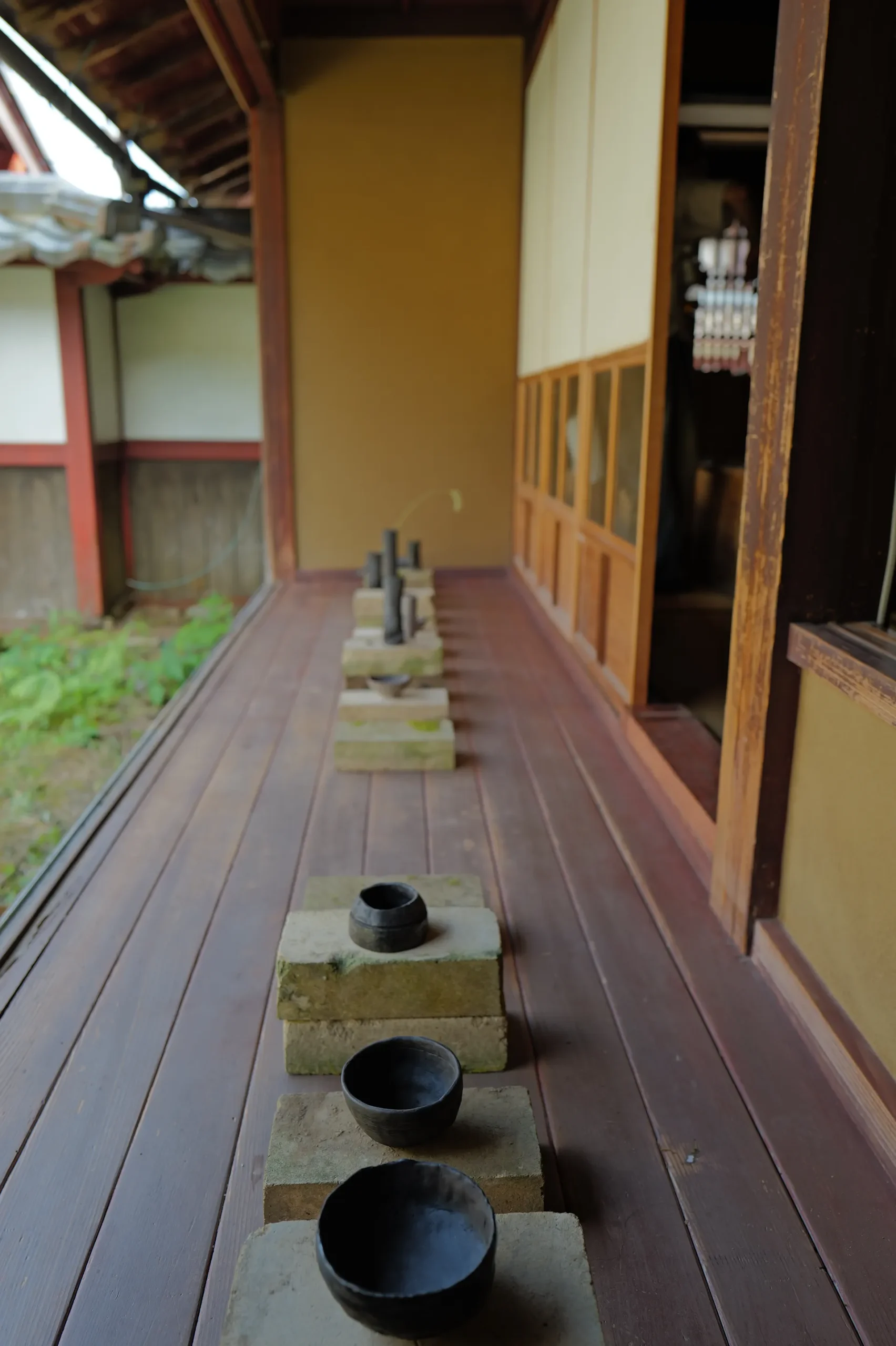
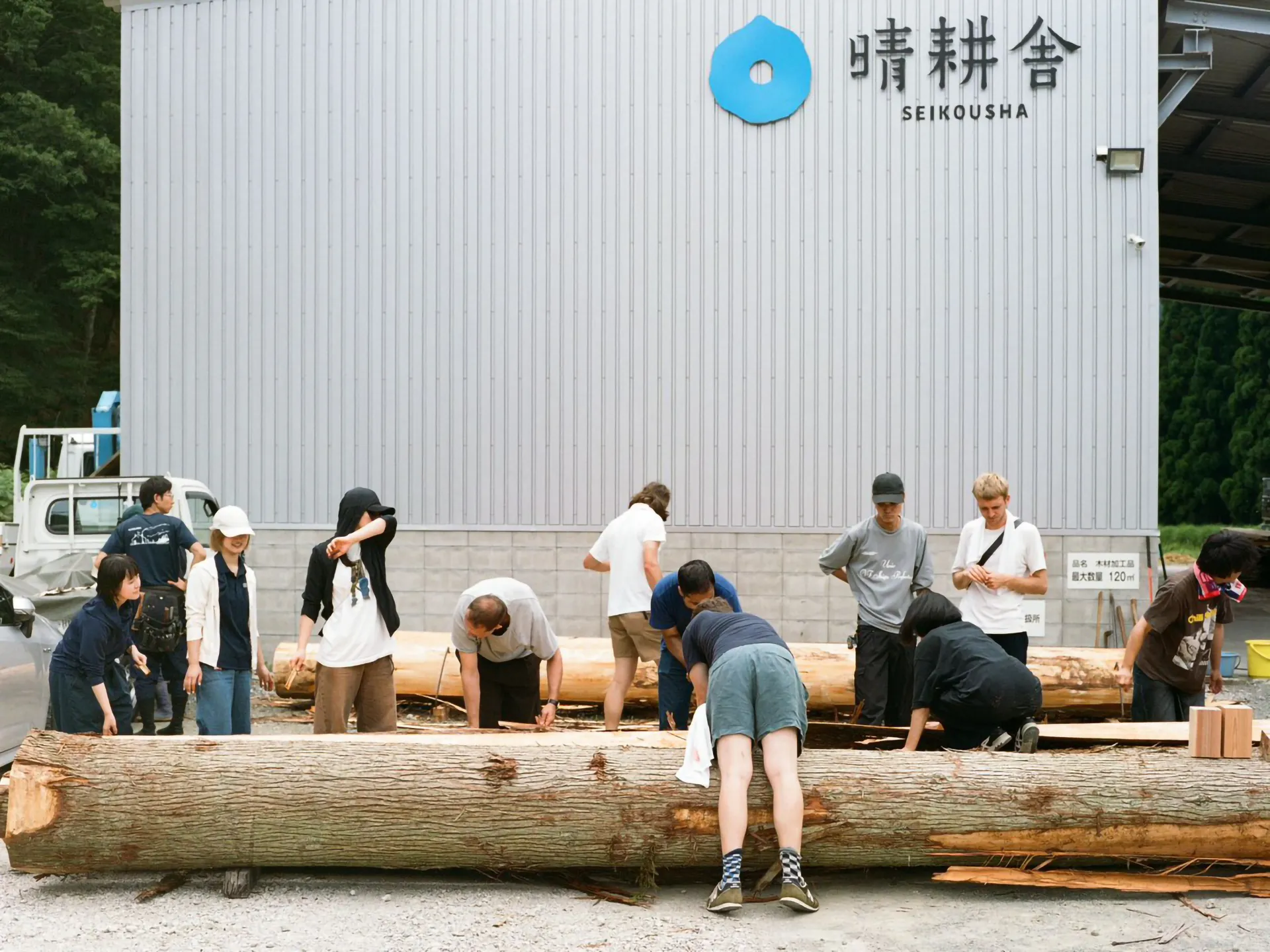
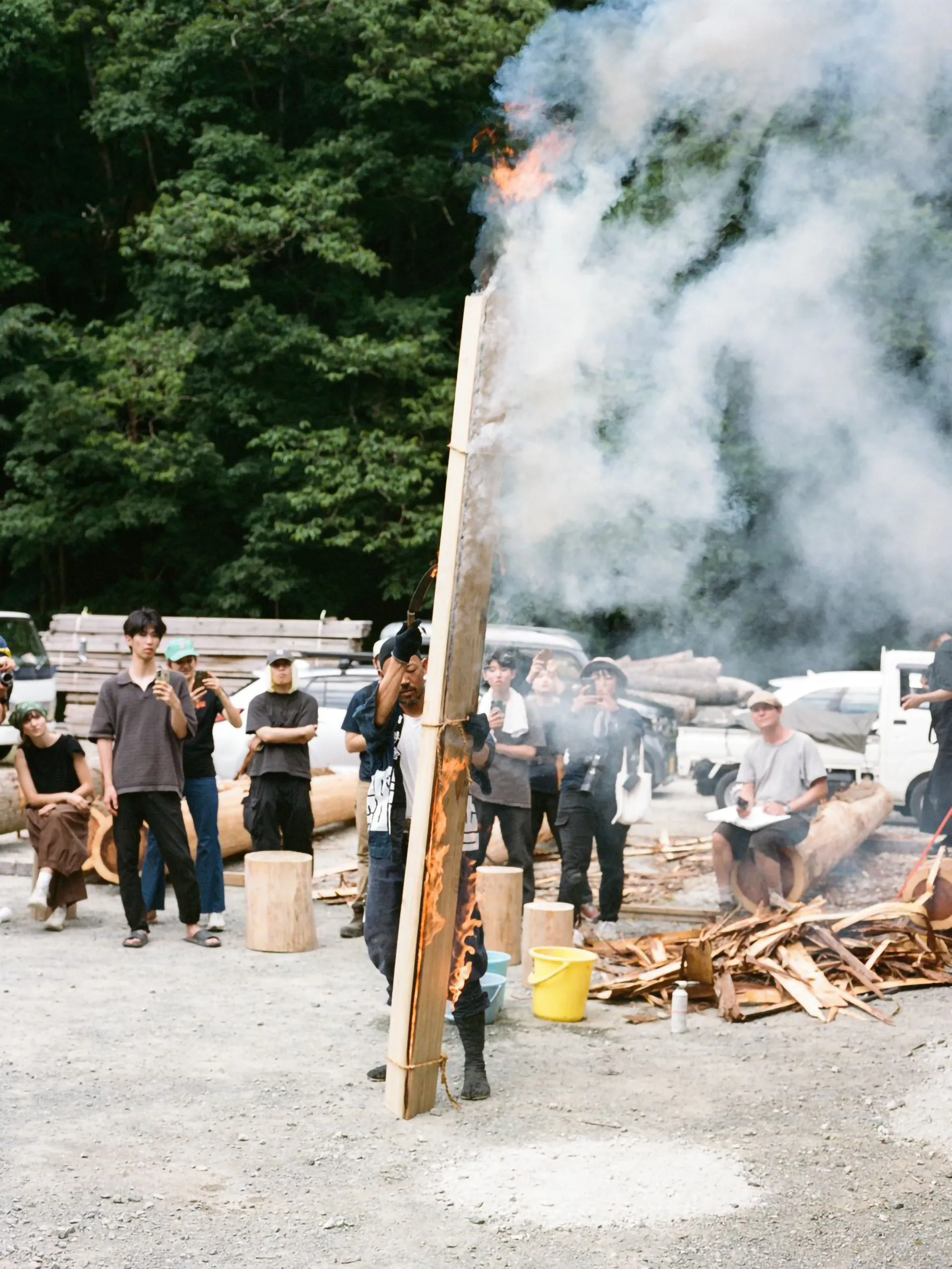
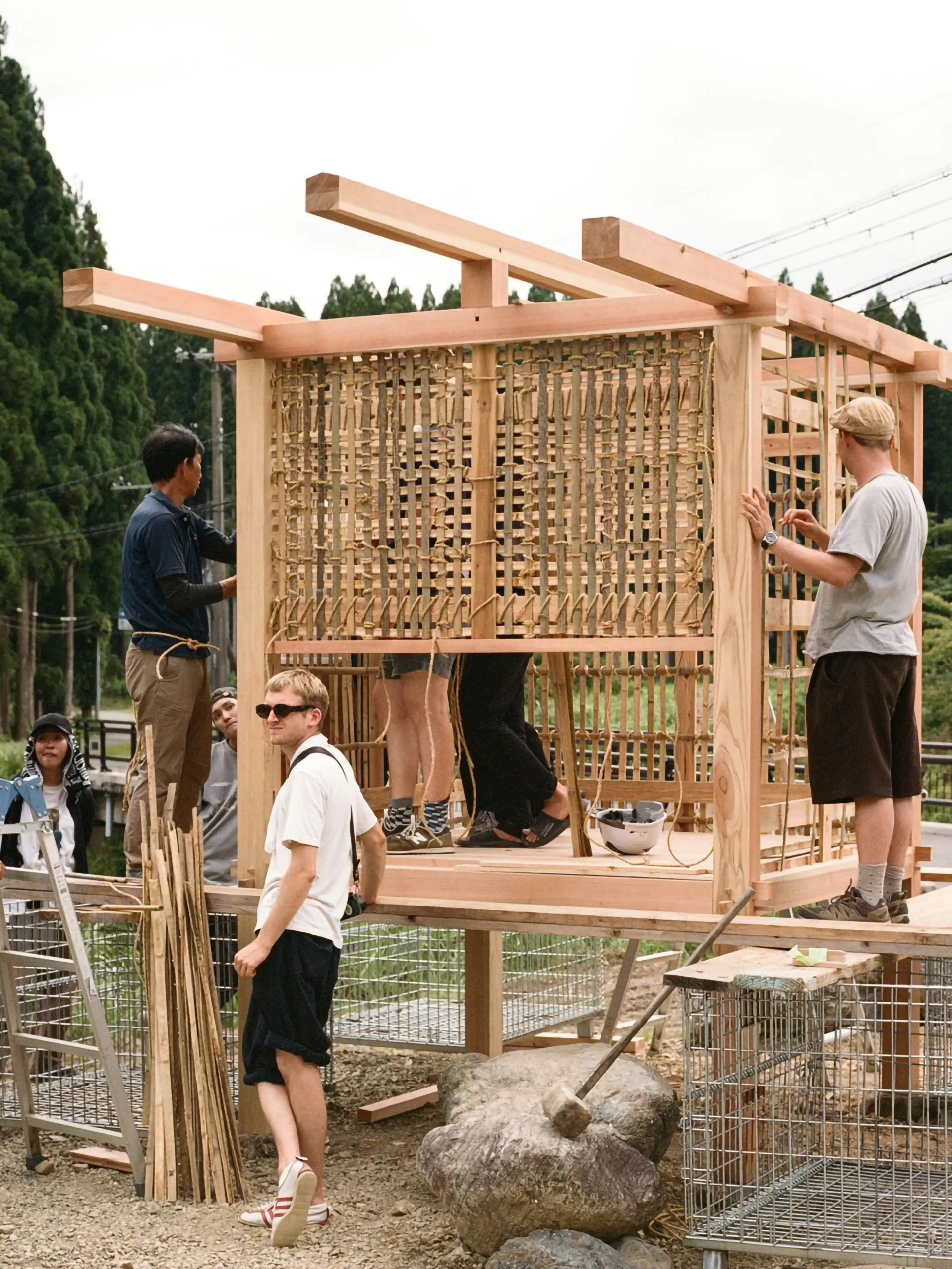
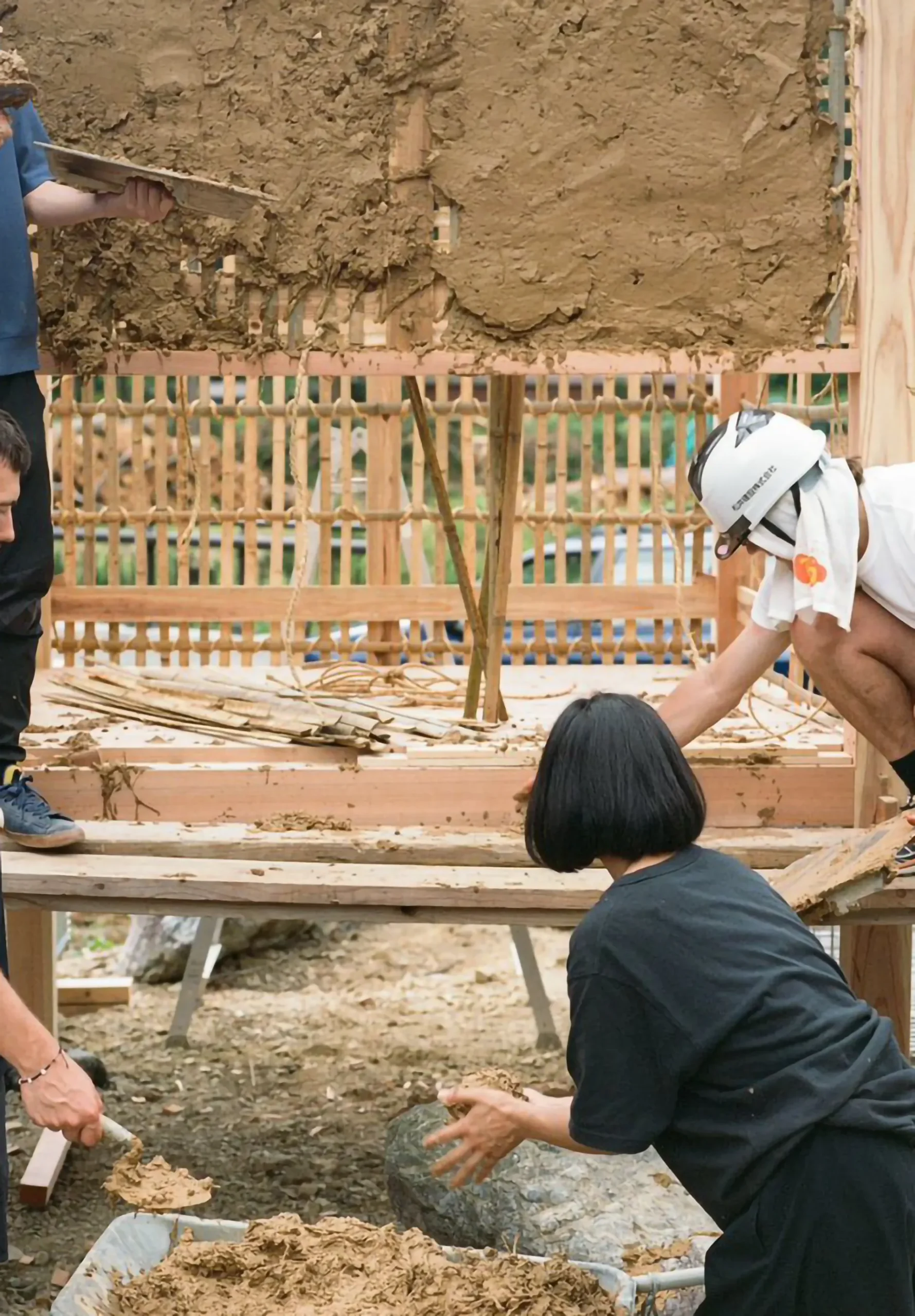
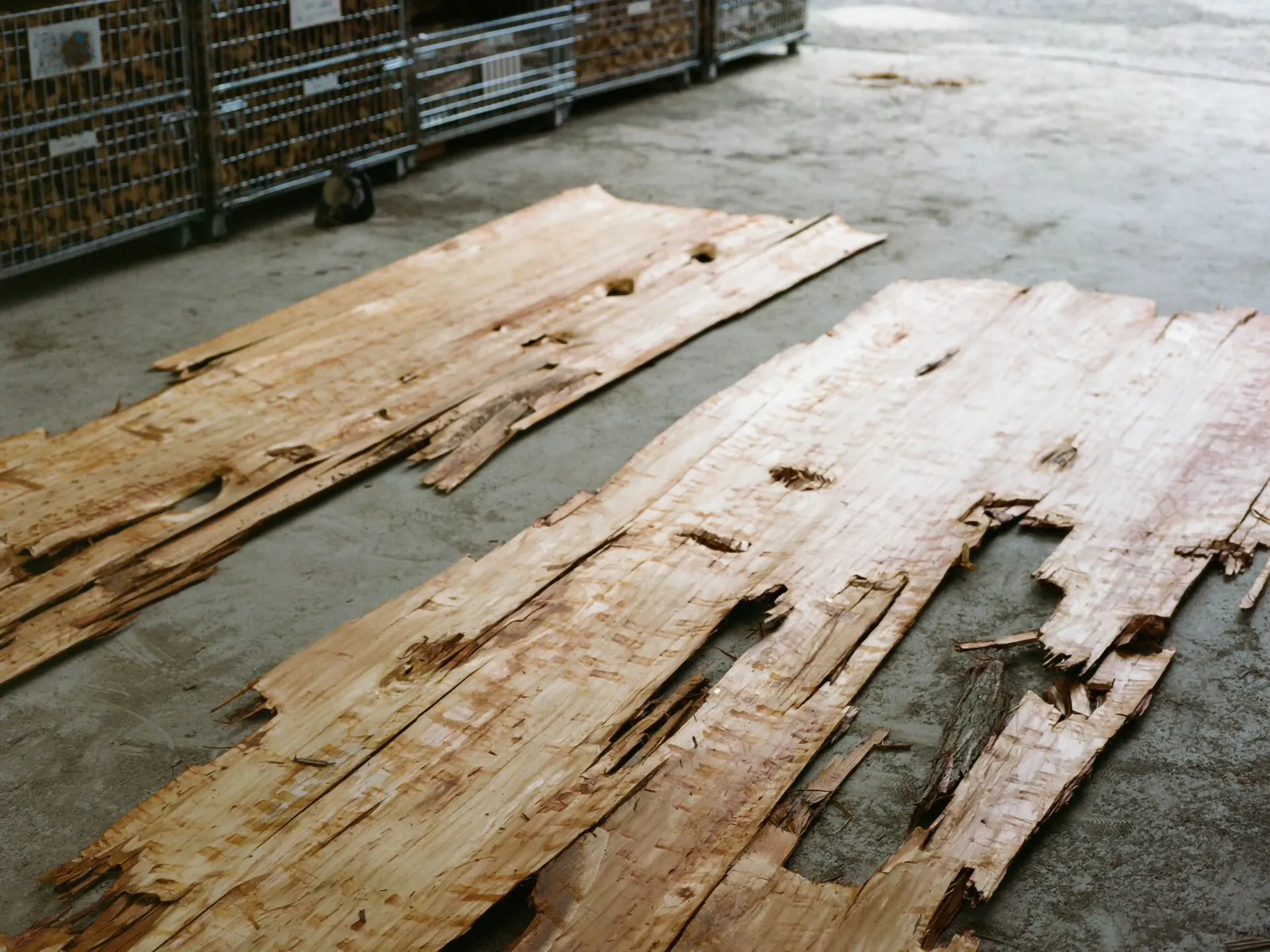
2026年のセミナーでは、スイスと京都から約25名の建築学科の学生が参加し、2週間朽木に滞在。「森」「土」「生活」「水」をテーマに、この地域の町並みや森林、山村を探訪しながら、土地、資源、生産の間の関係について理解を深めた。日本人とスイス人混合のグループで、それぞれに朽木ならではの研究課題を設定し、この地域の自然環境、林業、木造建築や土壁といった伝統技術、失われつつある郷土料理や儀礼的慣習について、現地での専門家や地域住民から学び、自身の関心と知識を深めるとともに、実践的な試行を通して課題に取り組んだ。セミナーの成果は、朽木市場にある旧商家・熊瀬邸で展覧会という形で発表を行い、期間中に浮かび上がった考えや問いについて、地域住民、来訪者、参加者がともに議論し、朽木を新たな視点からとらえなおす機会となった。さらに、同プロジェクトの開催を重ねることで得られる多様な見解は、高島市の生きたアーカイブとして蓄積されていく見通しである。
TAKASHIMA PRACTICE is an experimental project based in Takashima, Shiga Prefecture. Conceived on a time span of five to ten years, it brings together students, architects, and researchers to observe the land of Takashima and the lives of its people, exploring the social, cultural, and material values of the region from multiple angles. By introducing global and cross-generational perspectives into the region, and through reflection and practice unbound by existing frameworks, the project seeks to reconsider what architecture can be in small provincial cities.
Since the modern era, urbanization has concentrated population and capital in major cities, and small provincial cities have often come to exist as mere appendages to them. Yet these small cities hold rich resources and diverse values of their own, and the relationship between metropolis, small city, and countryside is itself shifting away from its conventional form—a tendency seen not only in Japan but throughout the world. For this first edition, the project focused on the Kutsuki area, located in the mountains of western Takashima. Blessed with abundant nature, more than 90% of its total area is covered by forest, wilderness, and rivers. Some 1,500 residents live around Kutsuki-Ichiba, which once flourished as a jin’ya (magistrate’s residence) town, and in the villages scattered through the mountains. Owing to population decline that dates back to before the war, however, the area also faces the serious challenge of depopulation.
For the 2026 seminar, around 25 architecture students from Switzerland and Kyoto stayed in Kutsuki for two weeks. Under the themes of “forest,” “earth,” “life,” and “water,” they explored the townscape, forests, and mountain villages of the area, deepening their understanding of the relationships between land, resources, and production. Working in mixed Japanese–Swiss groups, each team set a research question unique to Kutsuki, learning from local experts and residents about the natural environment, forestry, traditional techniques such as timber construction and earthen walls, and the regional cuisine and ritual customs now at risk of being lost—deepening their own interests and knowledge while pursuing their questions through hands-on experimentation. The outcomes were presented as an exhibition at the Kumase House, a former merchant house in Kutsuki-Ichiba, where residents, visitors, and participants discussed the ideas and questions that had emerged during the seminar, offering an occasion to see Kutsuki from new perspectives. The diverse insights gained as the project continues over the coming years are expected to accumulate as a living archive of Takashima.
x Close